Beginner’s Guide to Custom Design Enclosures for Mechanical Engineers
Custom design enclosures are essential components in mechanical engineering, providing protective housing for sensitive equipment and systems. These enclosures are tailored to meet specific functional, environmental, and aesthetic needs, ensuring optimal performance and durability. In this guide, we will explore the fundamentals of custom enclosures for engineers, offering practical advice and actionable steps to get you started in this vital aspect of mechanical design.Custom design enclosures are essential components in mechanical engineering, providing protective housing for sensitive equipment and systems. These enclosures are tailored to meet specific functional, environmental, and aesthetic needs, ensuring optimal performance and durability. In this guide, we will explore the fundamentals of custom enclosures for engineers, offering practical advice and actionable steps to get you started in this vital aspect of mechanical design.
Understanding Custom Design Enclosures
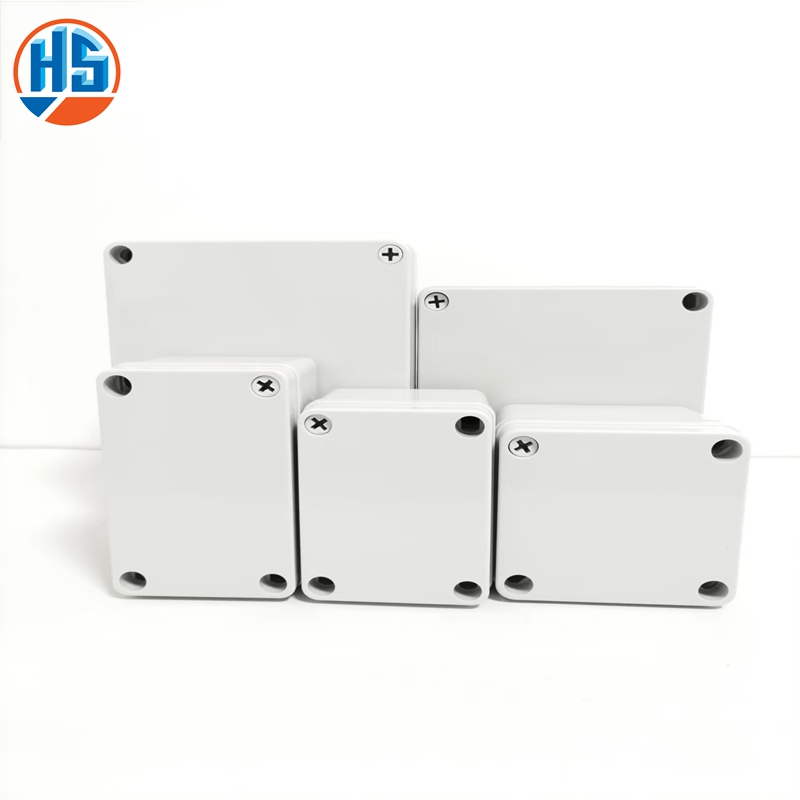
At their core, custom design enclosures are specially designed housings that protect and organize mechanical and electronic components. Unlike standard off-the-shelf solutions, custom enclosures are created to address specific requirements such as size constraints, environmental conditions, and functional demands. For mechanical engineers, understanding the basics of custom enclosures is crucial, as these components often play a pivotal role in the safety and efficiency of mechanical systems.
Key Considerations in Custom Enclosure Design
Designing a custom enclosure involves several critical considerations to ensure that the final product meets all necessary criteria:
Material Selection: The material should be chosen based on the environmental conditions the enclosure will face. Common materials include metals like aluminum and stainless steel, and plastics such as ABS and polycarbonate.
Environmental Protection: Consider the enclosure’s exposure to elements like water, dust, and chemicals. Ratings like IP (Ingress Protection) help determine the level of protection.
Thermal Management: Ensure proper heat dissipation through ventilation, heat sinks, or active cooling systems to prevent overheating of internal components.
Size and Fit: Accurate measurements are crucial to ensure that the enclosure fits the components snugly without wasting space or impeding functionality.
Ease of Assembly and Maintenance: Design for easy access to components for assembly and future maintenance needs.
Step-by-Step Guide to Custom Design Enclosures for Beginners
For those new to custom enclosure design, following a structured approach can simplify the process and ensure a successful outcome.
Define Requirements: Start by clearly defining the functional and environmental requirements of your enclosure. Consider the components it will house and any specific needs related to the application.
Select Materials: Choose appropriate materials based on the defined requirements. Consider factors like durability, weight, and cost.
Create Initial Designs: Use CAD software to create detailed designs. This step involves sketching the layout and ensuring that all components fit within the enclosure.
Prototype and Test: Develop a prototype to test the design under real-world conditions. Evaluate its performance and make any necessary adjustments.
Finalize the Design: After successful testing, finalize the design for production. Ensure all specifications are met and prepare detailed documentation for manufacturing.
Practical Examples of Custom Enclosure Applications
Custom enclosures are used across various industries, each with unique requirements. For instance, in the automotive industry, enclosures are often used to protect electronic control units from harsh conditions like extreme temperatures and vibrations. In the medical field, custom enclosures house sensitive medical equipment, requiring stringent hygiene and safety standards. These examples highlight the versatility and necessity of custom enclosures in diverse applications.
Common Mistakes to Avoid in Custom Enclosure Design
Even seasoned engineers can encounter pitfalls in the design process. Here are some common mistakes to avoid:
Ignoring Environmental Factors: Failing to consider environmental exposures can lead to premature failure of the enclosure.Overlooking
Thermal Management: Inadequate heat dissipation can damage internal components, leading to system breakdowns.
Incomplete Specifications: Vague or incomplete requirements can result in a design that does not meet the intended purpose.
By being aware of these potential issues, engineers can take proactive steps to ensure their designs are robust and reliable.
Real-World Application: A Case Study
Consider a case where a mechanical engineer is tasked with designing a custom enclosure for a marine navigation system. The system needs to withstand saltwater exposure, high humidity, and fluctuating temperatures. The engineer selects marine-grade aluminum for its corrosion resistance and designs an enclosure with an IP68 rating to ensure water and dust protection. Additionally, they incorporate a heat sink to manage internal temperatures effectively. This real-world application demonstrates the importance of thoughtful design and material selection in custom enclosures.
Conclusion: Embracing the Art of Custom Enclosure Design
Custom design enclosures are indispensable in mechanical engineering, providing tailored solutions to protect and enhance system performance. By understanding the fundamentals, considering key design factors, and following a structured approach, engineers can create enclosures that meet specific needs and overcome unique challenges. As you embark on your journey in custom enclosure design, remember that each project offers an opportunity to innovate and refine your skills. For further reading on related topics, explore our guide on .
We use cookies to offer you a better browsing experience, analyze site traffic and personalize content. By using this site, you agree to our use of cookies.
Privacy Policy