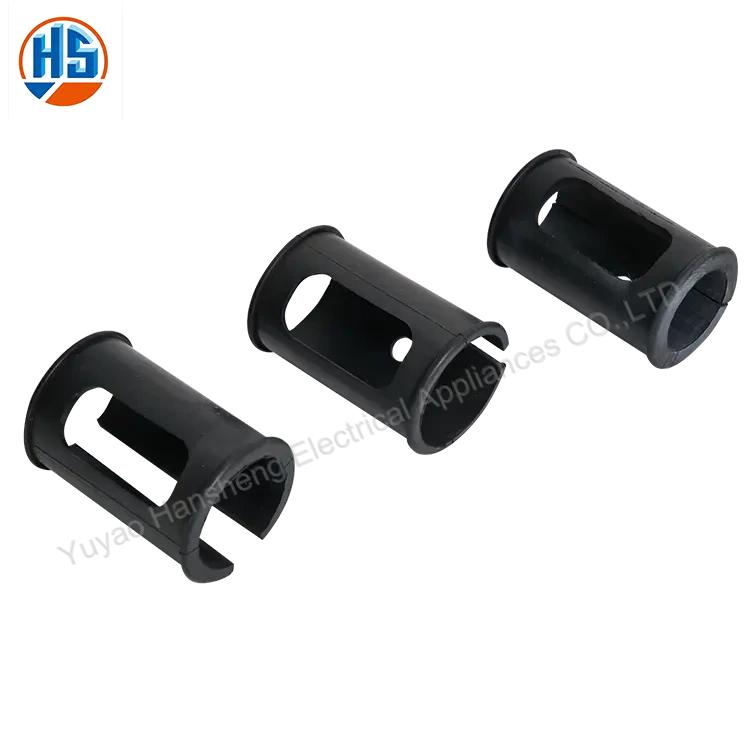
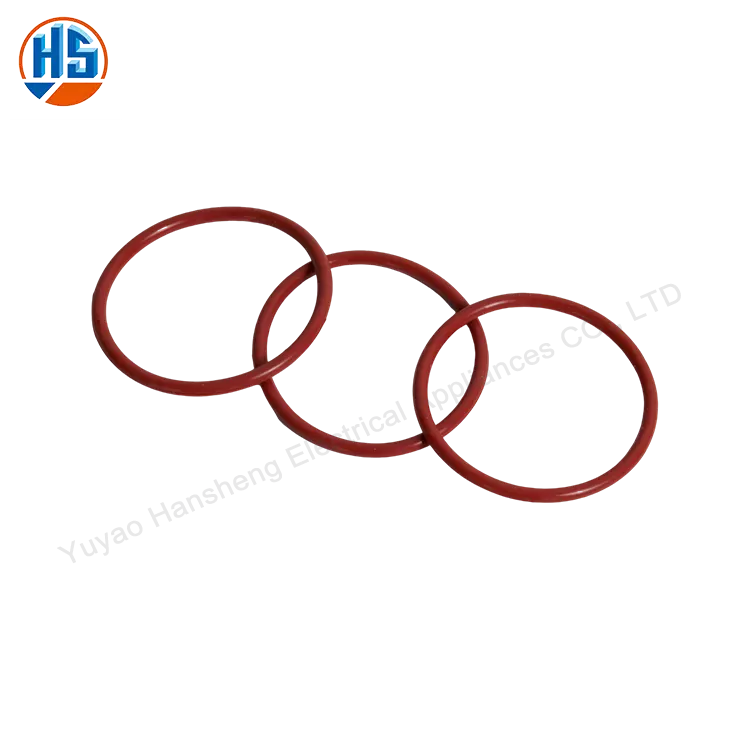
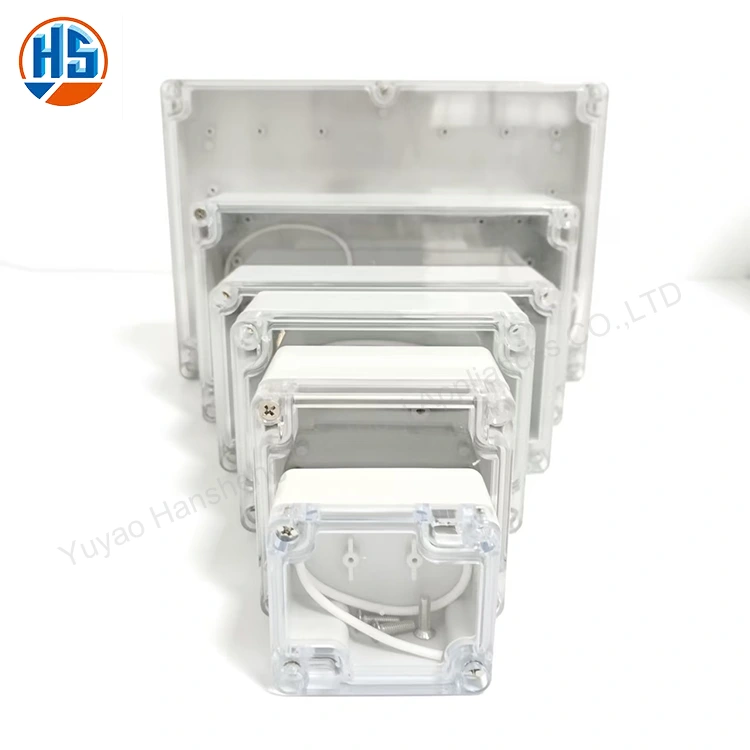
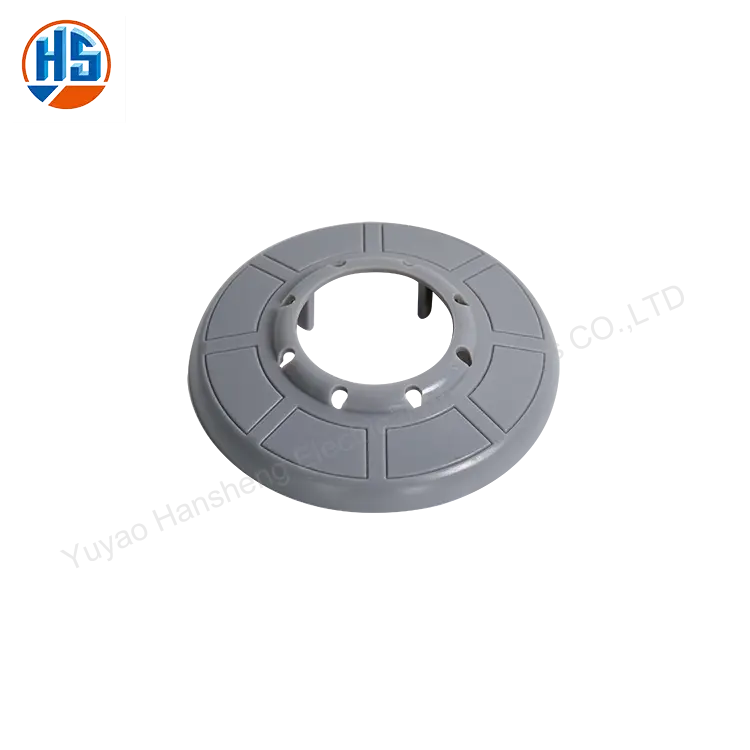
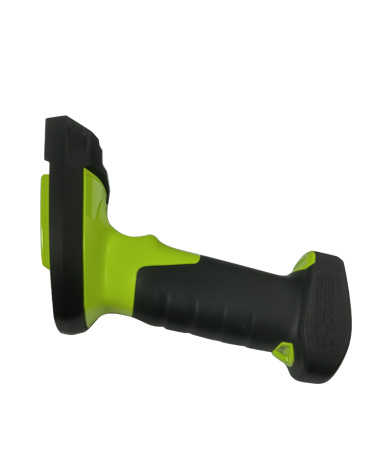
Injection molding plastic components continue to play an important role in industrial manufacturing as equipment producers look for reliable, lightweight, and cost-effective alternatives to traditional metal parts. From electronic enclosures and industrial sensor housings to mounting brackets and precision connectors, molded plastic components support a wide range of product designs.
As product structures become more compact and application requirements become more specialized, manufacturers are paying closer attention to material selection, mold design, dimensional consistency, and production efficiency. These factors are increasingly important when sourcing custom plastic components for industrial equipment and electronic assemblies.
Industrial Manufacturers Are Looking for More Customized Plastic Components
Standard plastic parts can meet many general requirements, but they may not provide the exact dimensions, mounting features, or structural characteristics required for specialized equipment. Custom injection molding allows manufacturers to develop components around a product's specific design and assembly requirements.
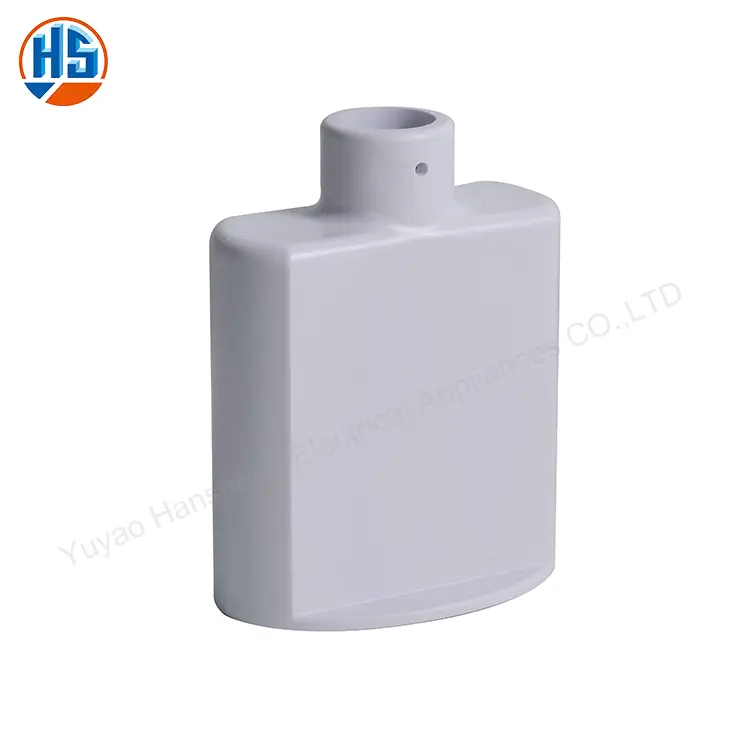
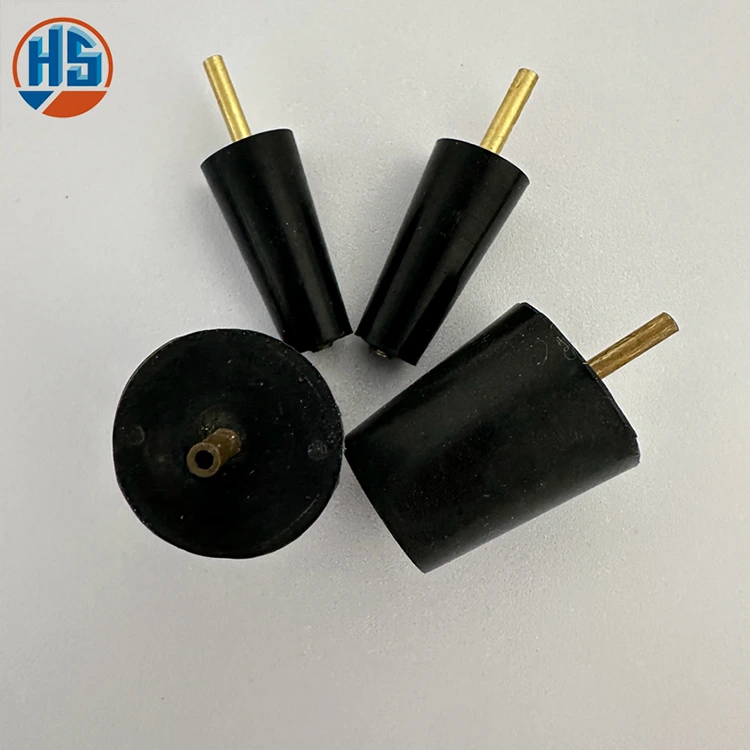
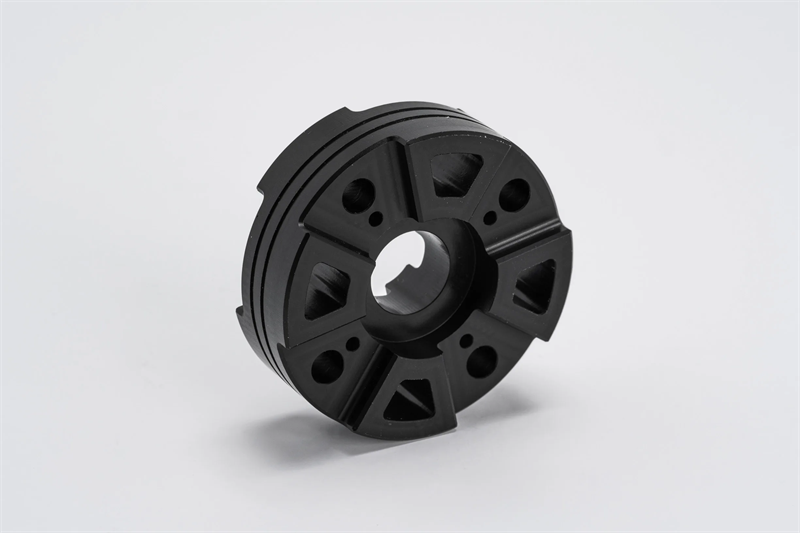
Common examples include protective housings for electronic systems, structural brackets for internal assemblies, plastic gears for mechanical transmission, and custom connectors for equipment integration. These parts may require dedicated mounting holes, snap-fit structures, reinforced sections, or openings for cables and other components.
For OEMs and equipment manufacturers, customization also provides greater flexibility when developing new products or revising existing designs. Instead of adapting the entire assembly to a standard component, engineers can evaluate the plastic part's geometry and functionality according to the intended application.
Material Selection Remains a Key Part of Injection Molding Projects
The choice of engineering plastic affects component strength, impact resistance, dimensional stability, surface appearance, and manufacturing cost. Selecting a suitable resin early in the development process helps reduce the risk of performance problems after production begins.
ABS for General Industrial and Electronic Housings
ABS is commonly considered for equipment covers, control housings, and other plastic components requiring a balance of rigidity, impact resistance, and surface quality. Its suitability depends on the operating environment, required mechanical performance, and selected material grade.
PC and PC+ABS for Demanding Applications
Polycarbonate (PC) may be considered when higher impact resistance or specific thermal properties are required. PC+ABS blends offer a combination of properties that can be useful for electronic enclosures and industrial equipment housings. Buyers should confirm the performance of the selected grade under actual service conditions.
PA66 for Functional Mechanical Parts
PA66 is often evaluated for functional components such as gears, clips, and mechanical brackets. For these applications, engineers should consider load requirements, wear behavior, moisture absorption, and dimensional changes during use.
Depending on the application, other material options may include flame-retardant, antistatic, reinforced, or heat-resistant grades. The final selection should be based on verified material data and the component's intended operating conditions.
Design for Manufacturability Helps Reduce Production Risks
A successful injection molding project begins well before the first molded part is produced. Part geometry influences how molten plastic fills the mold, how the component cools, and how easily it can be removed from the mold after forming.
Wall thickness, draft angles, ribs, bosses, gate positions, and cooling arrangements all affect the manufacturing result. Uneven wall sections may contribute to sink marks or warpage, while insufficient draft can make demolding more difficult. Poorly designed mounting features may also create assembly issues or localized stress.
Reviewing 2D drawings and 3D CAD files before tooling helps identify potential design concerns at an earlier stage. Where appropriate, mold-flow analysis can support decisions about material flow, weld lines, filling behavior, and possible deformation.
Early engineering communication is particularly valuable for custom projects involving complex enclosures, precision electronic components, or multiple mating parts. Resolving design questions before mold manufacturing can reduce unnecessary revisions and help keep development schedules on track.
Dimensional Consistency Matters for Component Assembly
Injection-molded plastic components often need to fit with metal brackets, circuit boards, fasteners, wiring harnesses, or other molded parts. Even when a component looks correct, dimensional variation can affect assembly clearance, positioning, fastening, and overall product performance.
Buyers should identify critical dimensions and specify their tolerance requirements in the engineering drawings. Material shrinkage, component geometry, mold temperature, cooling conditions, and processing parameters can all influence final dimensions.
Rather than applying extremely tight tolerances to every feature, engineering teams should prioritize dimensions that directly affect fit, function, or safety. Agreed inspection methods and sample approval criteria also help ensure that the manufacturer and buyer share the same quality expectations.
What Buyers Should Consider When Sourcing Custom Injection Molded Parts
When comparing injection molding suppliers, purchasing teams should evaluate more than the quoted price per piece. Tooling investment, material specifications, sample development, secondary processing, inspection requirements, and production lead time can all affect the total project cost.
Before requesting a quotation, buyers should prepare the available technical information, including:
- 2D engineering drawings or 3D CAD files.
- Required plastic material and color specifications.
- Critical dimensions and assembly requirements.
- Surface finish, texture, printing, or painting requirements.
- Estimated order quantity and annual demand.
- Expected production schedule and packaging requirements.
Buyers developing a new product should also clarify mold ownership, tooling maintenance, design revision procedures, and the process for approving trial samples. These details help establish a clearer working arrangement before production begins.
Custom Injection Molding for Industrial Applications
As industrial products continue to require application-specific structures and reliable assembly performance, custom injection molding remains an important manufacturing option for equipment producers, electronic product manufacturers, and OEM buyers.
Hansheng provides OEM/ODM services for custom injection molding plastic components, with project options covering material selection, component design requirements, mold development, sample evaluation, and production. Depending on the project, components can be developed with customized dimensions, colors, surface finishes, and assembly features.
For buyers planning a new component or reviewing an existing design, providing drawings and clear technical requirements is a practical starting point for evaluating manufacturing feasibility and quotation details.
Explore our custom injection molding plastic components to learn more about available OEM/ODM options, or contact Hansheng to discuss your project requirements.